

When conversations turn to the vibrant pulse of cultural life, creative expression, and the arts, people in Zaria and across surrounding communities often find themselves deep in debate. From the historical academic corridors of Ahmadu Bello University to the bustling neighborhood hangouts in Tudun Wada Kaduna and Ungwan Rimi, entertainment is more than just a pastime—it is a living, breathing part of daily routine. Whether residents are catching up on the latest Nollywood releases, discussing regional music trends, or evaluating how global digital platforms are changing the way creative work is distributed, curiosity runs high. This guide explores the most common questions people ask about the entertainment landscape anchored in Zaria, while drawing connections to broader regional hubs like Malali, Barnawa, and Sabon Tasha.
To truly understand the rhythm of leisure and media consumption here, one has to look at how local culture interacts with the wider national scene. While metropolitan giants like Lagos and Abuja often dominate national headlines—such as major international film festival representation deals or massive digital distribution rollouts by firms like ORB Entertainment—daily entertainment in northern cultural centers has its own unique flavor. People want to know how homegrown talent breaks through, where the best local spots are, and how global shifts in streaming and content piracy affect regional creators. Let us dive into the recurring questions that shape these conversations.
How Does Local Culture Shape Entertainment Choices in Zaria and Surrounding Towns?
One of the most frequent inquiries from newcomers and curious visitors is how Zaria’s rich history as an ancient city of learning and trade influences modern leisure. Unlike cities built entirely around industrial commerce or coastal nightlife, Zaria blends deep-rooted traditional arts, oral storytelling heritage, and a massive youthful student population. This unique demographic creates a vibrant appetite for both intellectual discourse and contemporary pop culture.
When residents travel or connect with friends in nearby towns such as Birnin Gwari, Saminaka, or Kujama, the conversation often shifts toward how traditions are modernizing. Music, storytelling, and community gatherings have adapted to the digital age without losing their communal spirit. Local youth do not just consume imported media; they actively critique, remix, and share homegrown narratives. This dynamic mirrors conversations happening in other vibrant settlements like Kafanchan and Kagoro, where community-driven music and performance art remain central to social life.

Furthermore, the physical geography of the region plays a subtle role. Because Zaria is geographically connected to major transit and commercial arteries leading down toward Kachia and Kaduna city proper, cultural trends move fluidly. A viral video, a new Nollywood blockbuster, or a chart-topping Afrobeats track can ripple through a campus hostel in Zaria just as fast as it reaches a trendy spot in Barnawa or Malali. People often ask whether this hyper-connectivity dilutes local identity. Most cultural commentators agree, however, that it actually enriches it, giving local creators a broader canvas to showcase their work.
Where Do People Go for Live Entertainment and Social Gatherings?
Another dominant question revolves around physical spaces: where do people actually go to unwind, listen to music, and enjoy live performances? While major cities boast sprawling amphitheaters and multi-million-dollar entertainment complexes—such as the high-profile sports and infrastructure funding vehicles backed by international finance groups across Africa—Zaria’s entertainment infrastructure thrives on community-centric venues.
Social life here is deeply tied to open-air lounges, university-adjacent cultural centers, local clubs, and community festivals. On any given weekend, groups of friends gather to debate the latest celebrity news, discuss trending television series, or attend live music showcases. This mirrors social patterns found in Sabon Tasha and Tudun Wada Kaduna, where neighborhood spots serve as the primary epicenters for social connection. People want to know where to find the best local performances, and the answer almost always points to intimate, grassroots venues where artists and audiences can interact face-to-face.
The conversation around entertainment venues also touches on how infrastructure is evolving. While large-scale investors pour capital into major hubs—sometimes drawing inspiration from visionary sports and entertainment executives like Masai Ujiri’s Zaria Group and their continental ventures—smaller towns benefit from grassroots enterprise. Local entrepreneurs in areas like Ungwan Rimi and Malali are continuously upgrading lounges and event spaces to offer better sound systems, screens for viewing major sports tournaments, and stages for up-and-coming musical acts. This steady grassroots expansion ensures that residents do not have to travel far to experience quality entertainment.
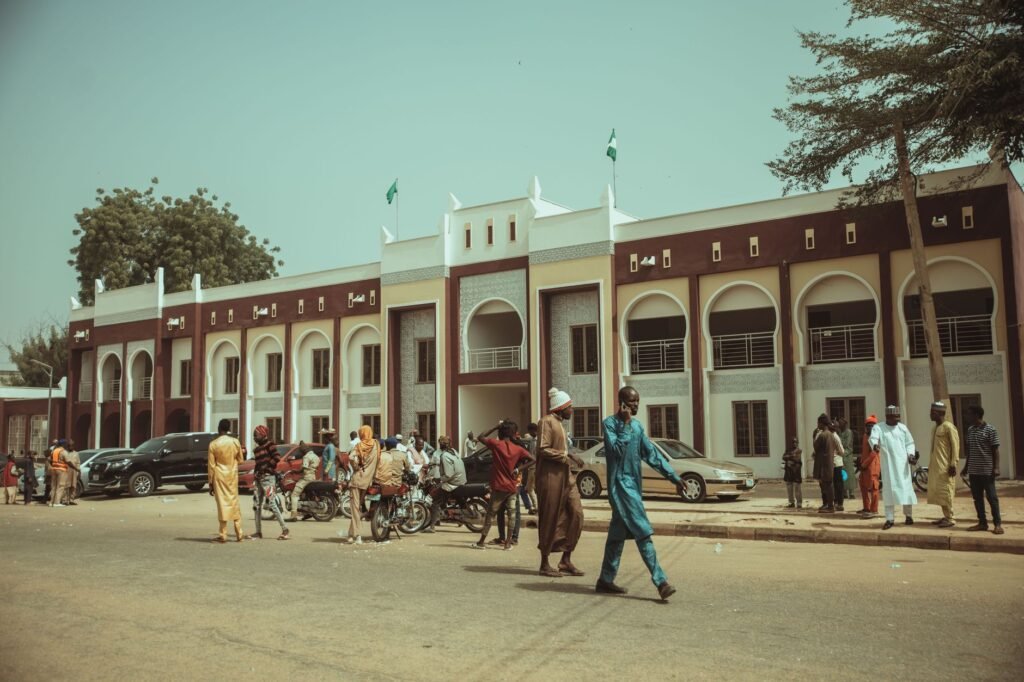
How Are Digital Shifts and Content Piracy Impacting the Local Creative Scene?
In almost every serious discussion about Nigerian media today, digital transformation takes center stage. Residents in Zaria are exceptionally sharp when it comes to analyzing the business side of culture. People frequently ask: How do creators make money in an era of rampant content piracy? And how are digital distribution platforms helping or hurting independent artists trying to escape traditional gatekeepers?
Across the entire entertainment ecosystem—from major film production houses securing international market buyers at prestigious festivals like TIFF to independent musicians uploading tracks via new digital aggregators—piracy remains a formidable hurdle. Content piracy reshapes Africa’s entertainment industry by forcing creators to rethink monetization strategies. Instead of relying solely on physical sales or traditional broadcast rights, artists in regions connected to Kaduna, Kafanchan, and beyond are leaning heavily into streaming revenue, direct-to-fan digital marketing, and live performance ticketing.
At the same time, consumers in Zaria are quick to point out the positive side of the digital revolution. Social media platforms, mobile payment systems, and accessible internet connectivity have democratized fame. An independent filmmaker or spoken word artist working out of a modest studio can now bypass traditional middlemen and distribute their art globally. When people ask what the future holds for regional entertainment, the consensus is clear: while structural challenges like piracy and distribution costs persist, the sheer creativity and resilience of the local populace guarantee that the scene will continue to adapt, innovate, and thrive.
Related guide: Exploring the Vibrant Pulse of Entertainment in Awka and Beyond.






No one commented yet. Be the first.