
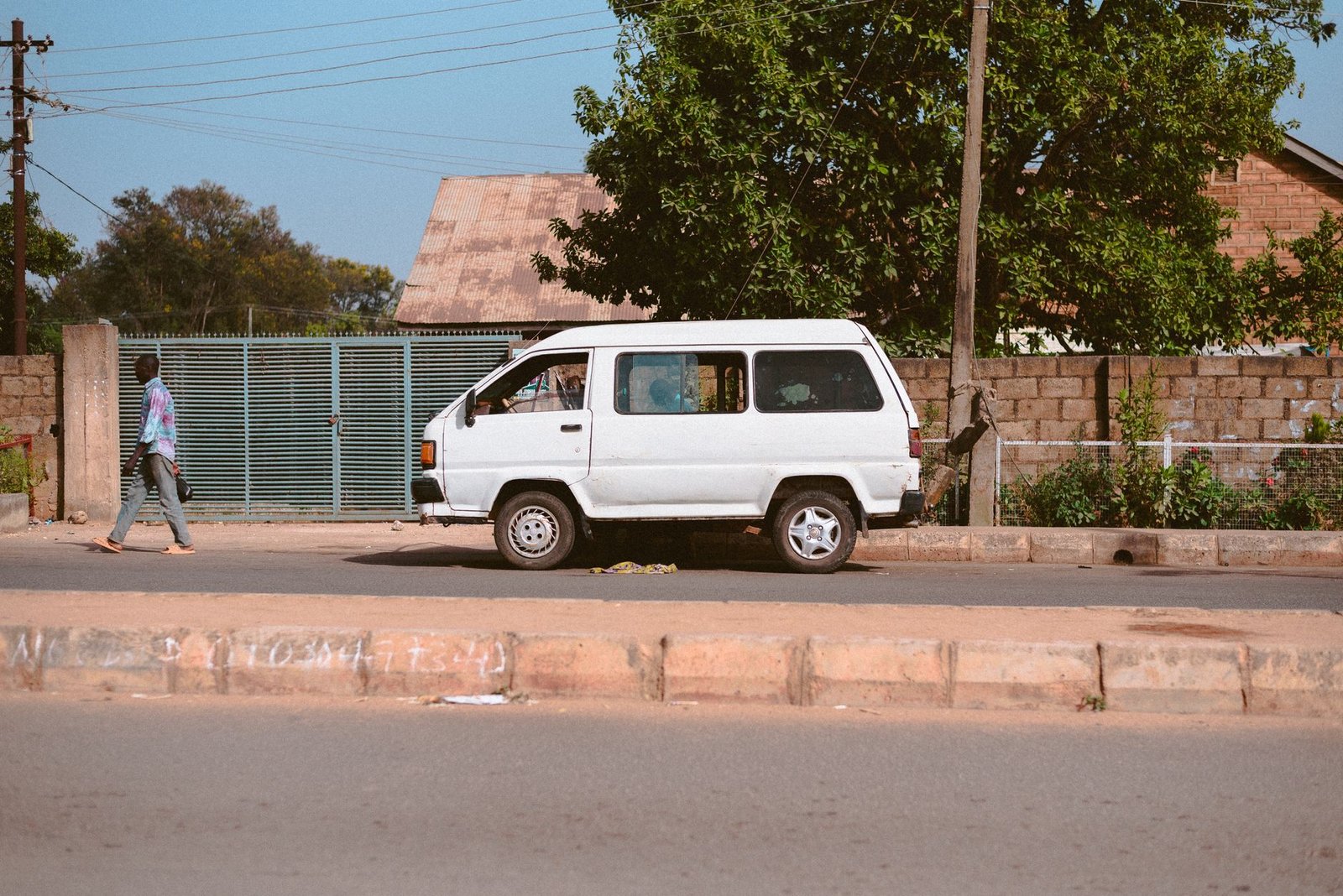
When exploring the fundamental aspects of the female experience, life, and biological identity, it helps to ground our perspective locally. Across vibrant urban hubs and satellite communities, everyday dynamics intersect with deep physiological, social, and cultural themes. In bustling settlements like Kubwa, discussions surrounding female representation, health, community growth, and personal autonomy are more dynamic than ever. From the winding streets near Gwarinpa to the high-end avenues of Maitama, understanding what it means to navigate life as a female involves looking at both universal human biology and the distinct textures of local existence.
While global conversations often focus on the broad strokes of human anatomy—such as the XX sex chromosome pair, estrogen and progesterone regulation, and the complexities of the female reproductive system—societal roles and local realities shape how these elements are lived out day-to-day. Whether examining cultural developments in Bwari, professional life stretching into the heart of Abuja, or community engagements closer to Dawaki, the contemporary female narrative is multilayered, rich, and constantly evolving.
Biological Foundations and Physiological Diversity
At the root of biological definitions, a female organism is defined by the production of ova—the type of gamete that fuses with a male gamete during sexual reproduction. In human biology, this foundational definition expands into a complex physiological landscape. Human female biology is governed by a constellation of interrelated traits, traditionally anchored by the XX sex chromosome pair and shaped by powerful hormonal influences. These biological realities express themselves across virtually every organ system in the body, influencing everything from metabolic processes and bone density maintenance to how different tissues respond to daily environmental stimuli.
Scientific inquiry highlights that roughly a third of all human genes show sex-biased expression in at least one tissue type. This profound genetic divergence manifests in subtle yet impactful ways. From the structural width of the pelvis adapted for childbirth to the nuanced ways the liver processes medications, the female body operates as a distinct system. Anatomically, the internal and external components of the human female reproductive system—including the ovaries, fallopian tubes, uterus, vagina, and vulva—represent only one chapter of a systemic blueprint. Long before adulthood is reached, during childhood and adolescence, a female human develops through distinct physiological and neurological milestones, transitioning from infancy and girlhood into mature womanhood.

Moving across different residential corridors—whether one is observing family structures in Dei-Dei, quiet suburban life in Durumi, or bustling commercial activities around Galadimawa—these foundational biological realities are universal, yet they intersect with entirely unique lifestyles. Local medical access, nutritional awareness, and reproductive health education play massive roles in shaping how women manage these biological transitions throughout their lifespans.
Social Roles, Gender Identity, and Cultural Evolution
Beyond strict anatomical definitions, the term female also bridges biological science and social identity. Human culture has long assigned specific social roles, traits, and behavioral expectations to people of the sex that typically produces egg cells. However, modern perspectives increasingly recognize that gender identity corresponds to a complex, variable set of social and cultural expressions rather than a rigid formula.
Tracing the linguistic journey of the word itself offers a fascinating window into history. Appearing in English records as early as the 14th century with spellings such as “femel,” “femelle,” and eventually “female,” the term has continually adapted to describe women and girls across social strata. Today, whether discussing professional achievements in Games Village, community leadership in Asokoro, or everyday commerce in outer districts like Abaji, the social expectations placed upon women are undergoing profound transformation.
In many urban and suburban centers, women are stepping into unprecedented positions of leadership, entrepreneurship, and civic engagement. Professional networks, legal advocacy groups, and cultural associations continue to push for broader representation in governance and public life. This evolving landscape redefines traditional boundaries, allowing individuals to balance personal ambitions with community responsibilities.

Navigating Modern Community Life Across Local Hubs
Life in and around the Federal Capital Territory offers a fascinating tapestry of experiences for women. The rhythms of daily routine can shift dramatically depending on the neighborhood. A professional commuting from Gwarinpa to a corporate office in Abuja experiences a very different logistical environment compared to someone running a local enterprise in Kubwa or managing agricultural trade routes near Bwari. Yet, common threads unite these experiences: the pursuit of safety, economic stability, educational advancement, and meaningful social connection.
Community safety and infrastructure remain paramount topics of discussion among residents. Across districts like Maitama, Asokoro, and Dawaki, urban planning and security measures directly impact the day-to-day mobility of women. Similarly, grassroots initiatives in areas like Dei-Dei and Durumi emphasize the importance of mutual aid, economic cooperatives, and localized support systems. Whether it is a young professional establishing her career near Games Village or an artisan honing her craft in Galadimawa, modern infrastructure and community solidarity are vital for fostering an environment where women can thrive without limitation.
Ultimately, examining the state of female life, biology, and social evolution in Kubwa and its surrounding areas reveals a population characterized by resilience, adaptability, and forward momentum. By acknowledging both the biological realities that unite all women and the unique geographic contexts that shape their daily routines, we gain a much deeper appreciation for the modern human experience.






No one commented yet. Be the first.