
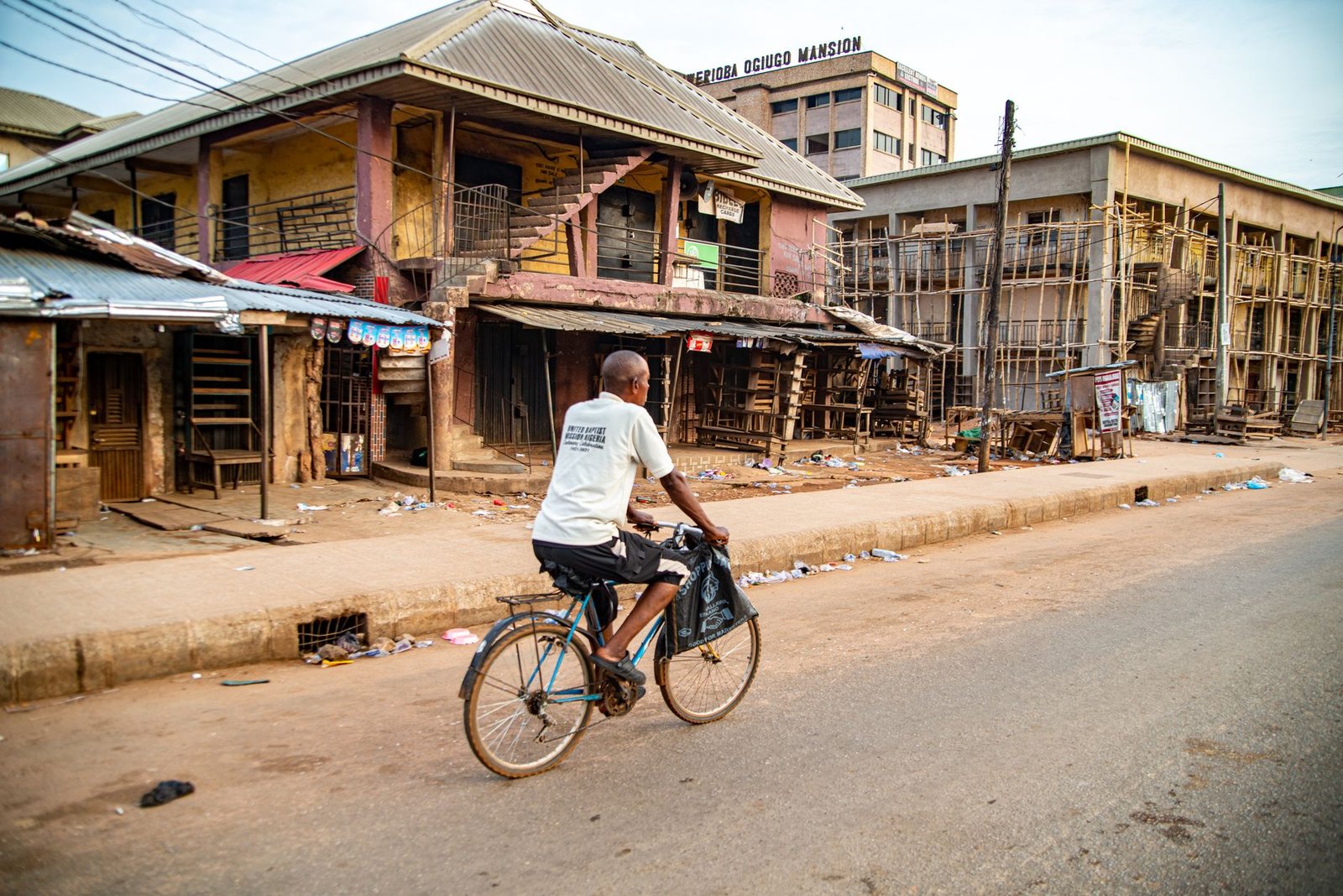
Sapele stands as a vibrant commercial and cultural hub, where the rhythms of daily life are increasingly shaped by digital connectivity. From bustling market stalls near the port areas to quiet residential streets, staying connected to the internet is no longer a luxury—it is the backbone of modern interaction, commerce, and entertainment. In a region where people constantly balance traditional trade with modern digital services, understanding how online platforms function locally makes all the difference. Whether residents are booking travel, managing businesses, or simply seeking entertainment after a long day, navigating the digital ecosystem requires insight into what works best on the ground.
The transition toward digital integration spans far beyond the immediate city limits of Sapele. When examining how online services operate across Delta State, one quickly notices a interconnected network of neighboring towns and trading posts. Commuters frequently travel or coordinate logistics through nearby hubs like Effurun and Ekpan, where digital booking tools and mobile payments streamline transport schedules. Similarly, educational and commercial exchanges thrive when residents connect with peers in Abraka and Agbor, utilizing web-based messaging and collaboration tools to bridge geographical gaps. Further north, communities in places like Asaba and Okpanam share similar digital ambitions, driving local e-commerce and web adoption forward. Even smaller localized trade centers such as Oghara, Kwale, Ozoro, Osubi, Bomadi, and Burutu rely heavily on mobile data networks to keep families in touch and businesses running smoothly.
The Backbone of Digital Engagement: What Being Online Means Here
At its core, being online simply means maintaining an active connection to the global internet via a smartphone, tablet, or desktop computer. However, the practical application of this definition varies dramatically depending on infrastructure and local utility. In Sapele, being online translates into tangible actions: checking transport schedules through terminal booking portals, engaging with browser games for relaxation, or managing small-and-medium-sized enterprise (SMB) storefronts that utilize the modern web domain space. The evolution of top-level domains, such as the widespread adoption of flexible web extensions by businesses, has empowered local entrepreneurs to establish credible digital storefronts without needing physical brick-and-mortar investments in crowded metropolitan centers.
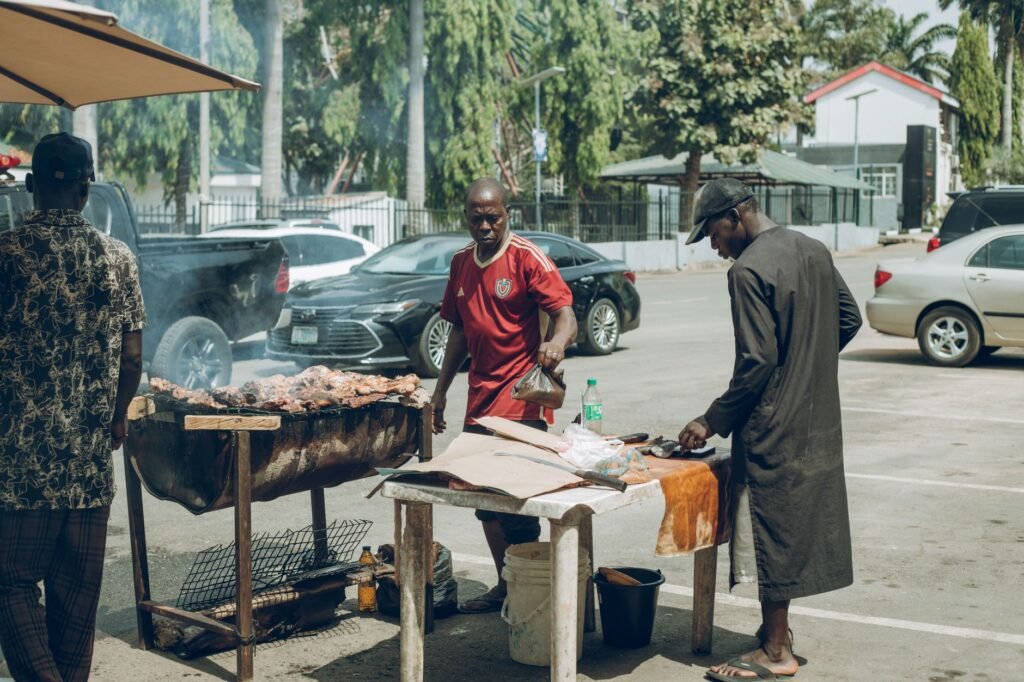
For everyday users, the internet serves as a multi-functional utility. When people in Sapele or neighboring Osubi log onto their devices, they expect seamless access to information, communication, and digital services. Yet, maintaining stable connectivity comes with its unique set of hurdles. Online transactions and digital operations sometimes encounter friction due to network fluctuations or gateway timeouts—challenges that tech-savvy users learn to navigate by timing their web activities during off-peak hours. Understanding these operational rhythms is vital for anyone looking to make the most of their digital experience in the region.
Commerce, Communication, and Entertainment: The Everyday Digital Routine
The modern daily routine in Sapele is deeply intertwined with digital touchpoints. Local merchants and service providers increasingly leverage web tools to expand their customer base, moving beyond local foot traffic to reach buyers across Delta State and beyond. This digital shift mirrors global trends where small businesses utilize specialized web extensions to build brand identity. Whether an enterprise is based in the heart of Sapele or operating out of growing commercial nodes like Effurun and Ekpan, establishing a reliable online presence is critical for long-term growth.
Beyond business, entertainment and leisure play a massive role in why people connect. When individuals finish their daily routines, many turn to browser games, casual puzzle challenges, and interactive online entertainment platforms to unwind. Free-to-play web options—ranging from classic card games like solitaire to word puzzles—provide accessible entertainment directly through standard web browsers without requiring heavy software downloads. This accessibility is especially popular among younger demographics across Abraka, Agbor, and Asaba, where mobile-first entertainment dominates free time.

Overcoming Digital Hurdles and Looking Ahead
Despite the undeniable benefits of being connected, navigating the online landscape requires vigilance and adaptability. Users across Sapele, Oghara, and Kwale frequently encounter digital hurdles ranging from fluctuating broadband speeds to evolving web security threats. Staying informed about how online systems operate helps users protect their personal data and avoid common digital pitfalls. Furthermore, as logistics providers modernize their booking systems—such as online terminal reservations popularized by major transport operators—knowing how to interact with digital interfaces becomes an essential life skill.
Ultimately, what matters most about being online in Sapele is the balance between utility and security. By embracing reliable digital tools, supporting local online enterprises, and staying mindful of network limitations, residents can fully harness the power of the internet. Whether coordinating trade with partners in Ozoro, checking transit options near Okpanam, or simply enjoying casual browser games at home, the digital future of the region is being written one connection at a time.






No one commented yet. Be the first.