
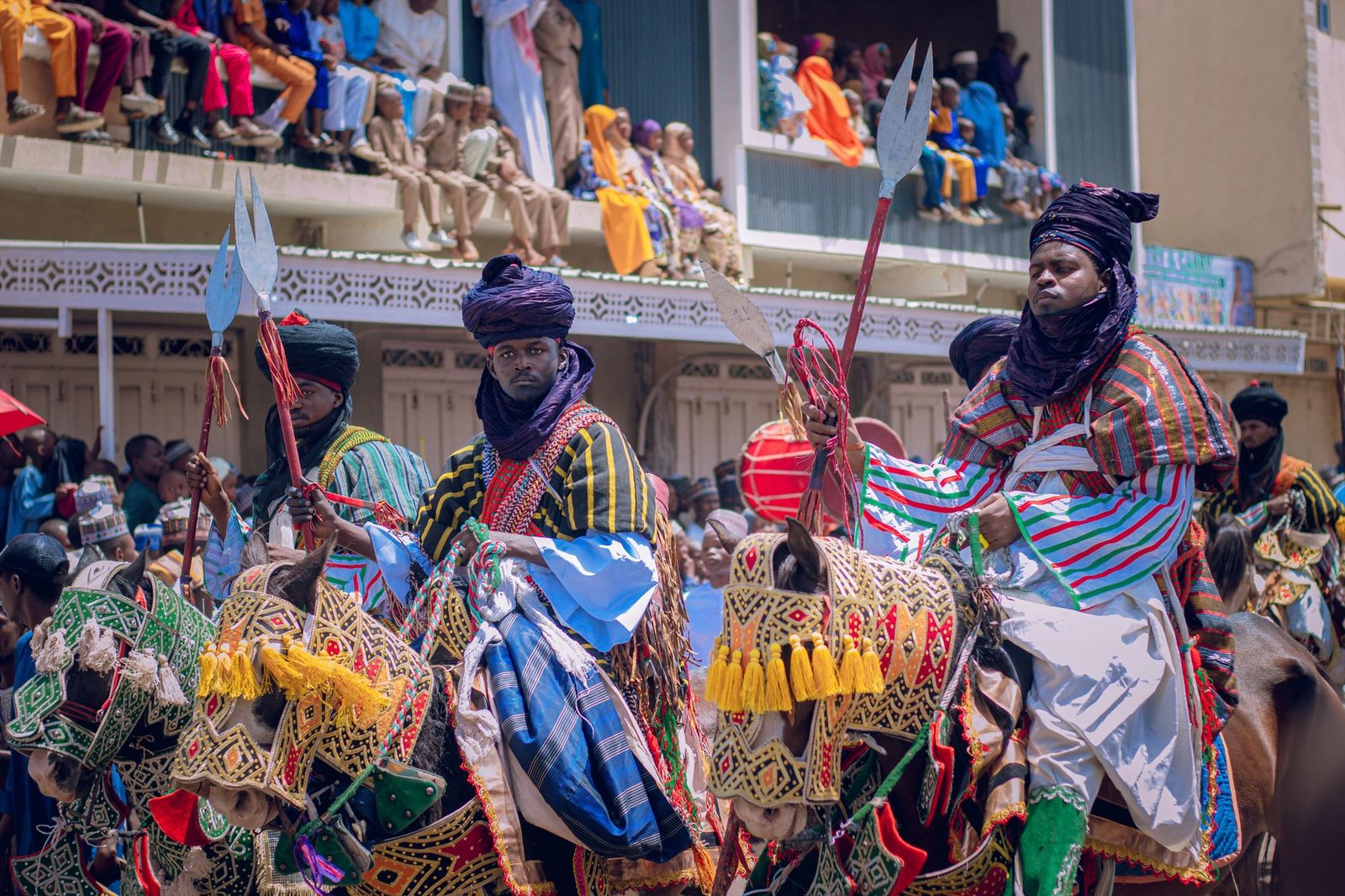
When discussing urban culture and after-dark routines in northern Nigeria, Kano presents a unique tapestry. Unlike the hyper-kinetic, neon-drenched coastal hubs or the sprawling federal capital, evening hours here operate on a different tempo. For anyone looking to understand the rhythm of this historic metropolis after the sun goes down, it requires stepping past the generic tropes of modern nightlife and looking closely at how locals actually unwind, socialize, and navigate the evening hours. From the bustling commercial arteries to quieter residential neighborhoods, the after-dark experience in Kano is grounded in community, tradition, commerce, and a distinct regional pace.
To truly grasp how evenings unfold here, one must look at the geography of the city and its surrounding areas. Kano is not a monolith; it is an amalgamation of ancient merchant quarters, expansive modern suburbs, and satellite towns that each offer a different flavor of evening activity. Whether you find yourself near the busy thoroughfares of Nassarawa Kano or navigating the commercial hum of Tarauni, the after-dark scene is largely defined by hospitality, social gatherings over tea or food, and quiet community interactions rather than high-octane clubbing. Understanding this distinct character helps visitors and newcomers appreciate the true texture of local life without misplaced expectations.
The Rhythm of Evening Commerce and Social Spots
As daylight fades across the city, the landscape shifts from frantic daytime trading to a more relaxed, communal atmosphere. The main commercial hubs do not simply shut down; instead, their character transforms. Neighborhoods like Fagge come alive with a different kind of energy, where open-air vendor stalls, local restaurants, and roadside kiosks become the focal points for residents catching up after a long day. These areas offer an authentic look at grassroots socializing, where conversations flow freely over plates of local delicacies, grilled meats, and hot beverages.
Further away from the inner city, districts like Hotoro and Kumbotso provide a slightly more residential evening vibe. Here, the focus shifts toward neighborhood lounges, relaxed outdoor seating areas, and family-oriented outings. People gather in designated open spaces or local establishments to discuss the day’s events, listen to ambient sounds, and enjoy the cooler night breeze. This structured calmness is a defining feature of the region, emphasizing conversation, shared meals, and community connection over loud, synthesized entertainment.
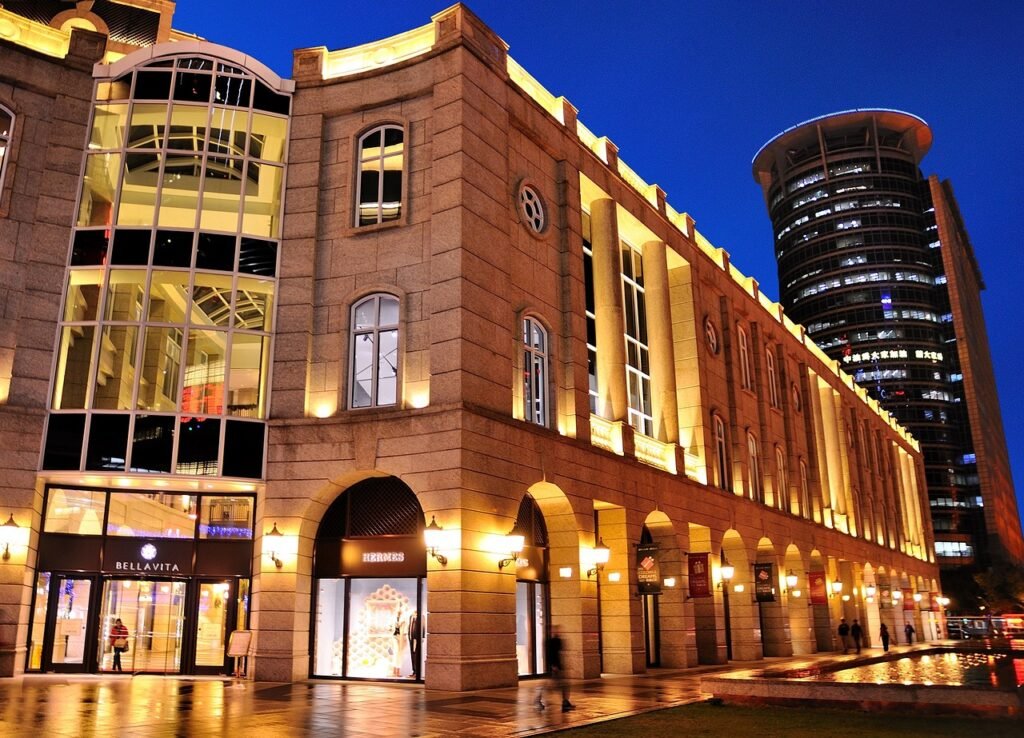
For those exploring the wider metropolitan reach, venturing toward Zoo Road reveals another layer of evening activity. This major corridor hosts various commercial outfits, eateries, and convenience spots that remain operational well into the night. It acts as a bridge between daytime commerce and nighttime relaxation, offering travelers and residents alike a convenient place to grab a late-night bite or engage in casual meetings. The presence of these active zones ensures that the city retains a steady, comfortable pulse long after standard business hours have concluded.
Exploring Surrounding Towns and Neighborhood Options
Beyond the core metropolis, the surrounding towns and administrative districts offer their own distinct versions of evening tranquility. Moving outward toward Dawakin Kudu, the environment becomes markedly more serene. The nightlife here is virtually non-existent in the commercial sense, replaced instead by quiet village squares, starry skies, and the gentle hum of rural life winding down. It is an ideal setting for those seeking absolute quiet and an escape from urban congestion.
Similarly, heading toward Bichi presents a balanced view of semi-urban evening culture. As an important local hub, it features local markets closing down, small roadside eateries serving dinner patrons, and residents strolling along the main roads to catch the evening air. The pace is slow, deliberate, and deeply rooted in traditional values. There is no rush here; time stretches out, allowing individuals to experience a simpler, more unhurried approach to the close of the day.
In other directions, locations such as Wudil and Rano offer deep historical context wrapped in quiet nocturnal surroundings. While these towns do not boast commercial nightlife districts or entertainment venues, their evenings carry a unique charm characterized by community cohesion and peaceful solitude. Residents often gather in small circles outside their homes or near local institutions to converse, making these areas distinct from the busier, more commercialized parts of the primary urban center.
Navigating the Practicalities of Evening Outings
Experiencing the evening culture here requires a mindful approach to local customs, logistics, and spatial awareness. Because the environment is heavily influenced by traditional and religious values, social etiquette differs significantly from what one might encounter in southern or international metropolises. Modesty, respect for local norms, and an understanding of curfew or security dynamics in specific quarters are essential for a smooth experience.
Transportation also plays a critical role in planning any movement after dark. While main roads remain navigable, relying on trusted local transport options or familiar routes is always advisable. Whether you are traversing the length of Gaya on the eastern fringes or returning from an outing near Tarauni, knowing your way around prevents unnecessary complications. Public transport options may thin out as the night deepens, making pre-arranged travel plans a sensible choice for anyone venturing far from their accommodation.
Ultimately, looking at the nocturnal landscape of this northern anchor reveals a lifestyle that prioritizes peace, human connection, and restraint over frenetic entertainment. By appreciating these nuances, visitors gain a genuine, respectful window into a vibrant culture that thrives quietly beneath the stars.






No one commented yet. Be the first.