
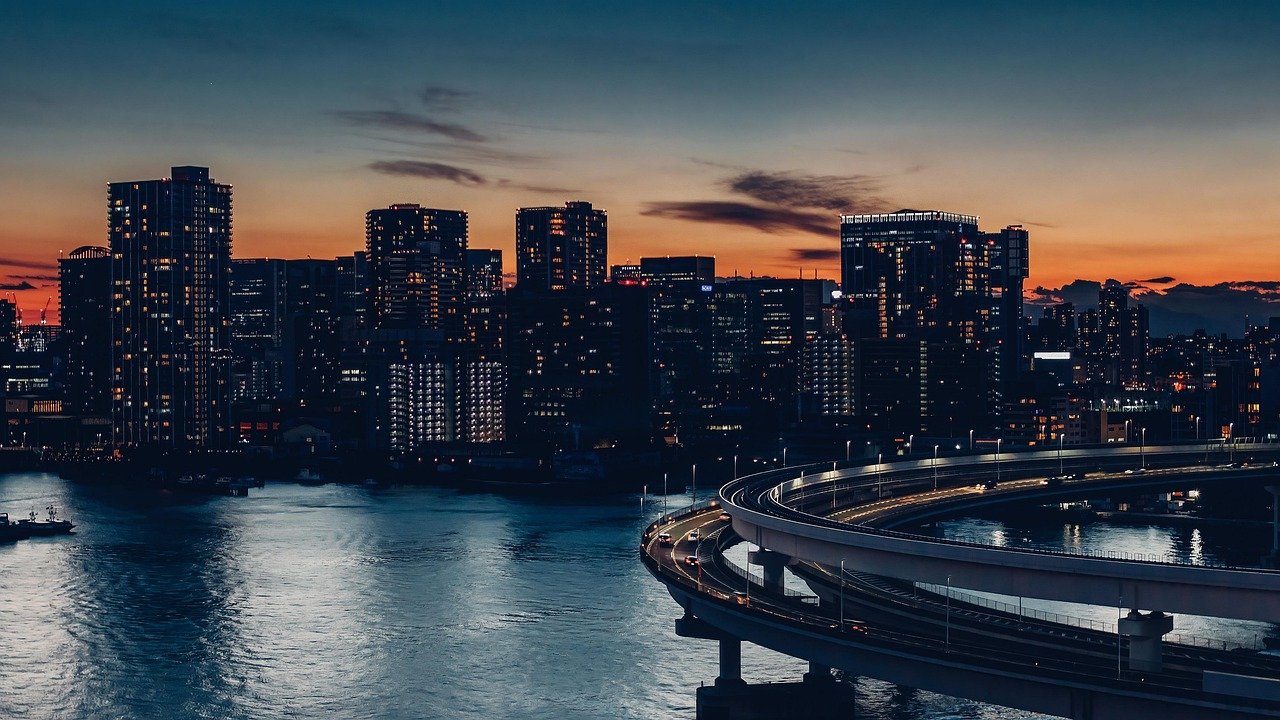
When people think about the heartbeat of modern creative culture on the West African coast, attention frequently turns toward the dynamic energy radiating from the Lekki peninsula. This rapidly evolving corridor has transformed from a quiet coastal fringe into an epicenter of lifestyle, leisure, and artistic production. Understanding how local culture shapes Nigeria entertainment in Lekki requires looking closely at the intersection of traditional community expressions, contemporary urban sophistication, and the relentless drive of a young, creative demographic. From the high-end lounges scattered along the arterial roadways to massive retail and leisure hubs, the environment here dictates not just how people consume art and media, but how content creators, musicians, and filmmakers conceptualize their craft.
The cultural footprint of this peninsula extends far beyond its immediate boundaries, creating ripples that influence nearby districts such as Victoria Island and Ikoyi, while drawing enthusiastic crowds from mainland areas like Alimosho, Agege, and Festac. In many ways, the coastal axis serves as a cultural laboratory where shifting tastes are tested and refined. As increasing sophistication has influenced consumer habits across the commercial capital, local entertainment venues have had to adapt, offering immersive experiences that blend international standards with deeply rooted local flavor. Whether it is through boutique film screenings, avant-garde art exhibitions, or high-energy nightlife productions, the local populace expects authenticity paired with world-class delivery.
The Architecture of Leisure: Retail Hubs, Ultra-Modern Centers, and Waterfront Venues
A major driving force behind the transformation of the peninsula’s leisure economy is the development of high-end commercial spaces designed to cater to a discerning audience. Facilities like Circle Mall have continually redefined what consumers expect from a day out, combining luxury retail with unmatched entertainment options that thrill fun lovers week after week. These spaces are not merely shopping complexes; they function as social ecosystems where fashion, music, and casual networking intersect seamlessly.
Further along the coastline towards destinations like Chevron and Ajah, the landscape opens up to expansive entertainment complexes and themed attractions. For instance, the unveiling of ultra-modern lifestyle facilities like Twinwaters has demonstrated how investors view the local appetite for luxury experiences. These establishments merge dining, gaming, and multimedia presentations into single, cohesive destinations. Patrons seeking a weekend escape do not need to look far; the density of lounge bars, beach clubs, and performance spaces ensures that there is always something happening.
This localized entertainment boom also extends into specialized niches, including family-oriented attractions. Entertainment groups and cinema operators, such as the Filmhouse network, have consistently worked to provide inclusive experiences that cater to younger audiences and families alike. By curating spaces that accommodate both children and adults, these establishments ensure that the local creative ecosystem grows alongside its demographic base. The ripple effect is felt across neighboring residential nodes like Amuwo-Odofin and Apapa, as families travel across the city to sample the unique recreational offerings available on the eastern axis.
Digital Innovation, Broadcasting, and the Rise of Niche Media Outlets
Beyond physical infrastructure, the evolution of entertainment in this corridor is deeply tied to media production and digital broadcasting. The sheer concentration of creative talent living and working in the area has spurred the establishment of localized media houses dedicated to amplifying indigenous stories. Initiatives like the launch of LekkiTV were specifically designed to boost the broader creative sector by giving local productions a dedicated platform to reach viewers.
This localized broadcasting trend aligns with a wider national movement where digital platforms, record labels, and production outfits set up operational bases close to the talent pool. Entities such as Dubara Entertainment and specialized talent development houses like KINGMODEL—which has spent nearly two decades fostering creativity and artistic excellence—find this environment ideal for scouting, training, and launching new stars. The proximity of recording studios, editing suites, and digital marketing agencies allows for rapid turnaround times on creative projects, turning everyday street culture into chart-topping music or viral video content.
Interestingly, the influence of this localized culture is not restricted to the wealthy enclaves. While iconic luxury islands like Banana Island often set high benchmarks for opulent lifestyle trends, the cultural feedback loop incorporates elements from working-class and middle-class neighborhoods across the wider metropolis. Creators draw inspiration from the hustle and bustle of mainland markets just as much as they draw from the serene aesthetics of the waterfronts, resulting in a vibrant hybrid culture that resonates deeply with Nigerians at home and in the diaspora.
Community, Tradition, and the Future of Urban Nightlife
At its core, the entertainment scene thriving here is sustained by a profound sense of community and communal celebration. Nigerians place a high premium on social gatherings, and this trait finds its most sophisticated expression in the parties, concerts, and cultural festivals hosted throughout the year. Even as marketing and corporate sponsorships play an increasingly visible role in funding large-scale productions, the grassroots energy of the street remains untouched.
Event organizers continually experiment with fresh concepts, blending traditional storytelling, live instrumentation, and modern electronic sounds. This ongoing experimentation ensures that the cultural output remains fresh and unpredictable. From spontaneous street jams to highly curated VIP events, the local scene functions as a cultural barometer for the entire country. As urban planners and private developers look toward future expansions in outlying areas like Badagry and beyond, the blueprint established along the Lekki-Victoria Island-Ikoyi corridor remains the gold standard for modern Nigerian leisure and entertainment.
Ultimately, the marriage of local tradition and urban sophistication has created an entertainment ecosystem that is resilient, highly lucrative, and endlessly creative. By staying true to indigenous roots while embracing global innovations, the cultural architects of this coastal strip have ensured that the world will keep its eyes fixed firmly on Nigeria’s thriving entertainment capital.
Related guide: How Nigeria Entertainment is Changing in Lekki.
Related guide: Rhythms of Industry: How Local Culture Shapes Entertainment in Nnewi.






No one commented yet. Be the first.