
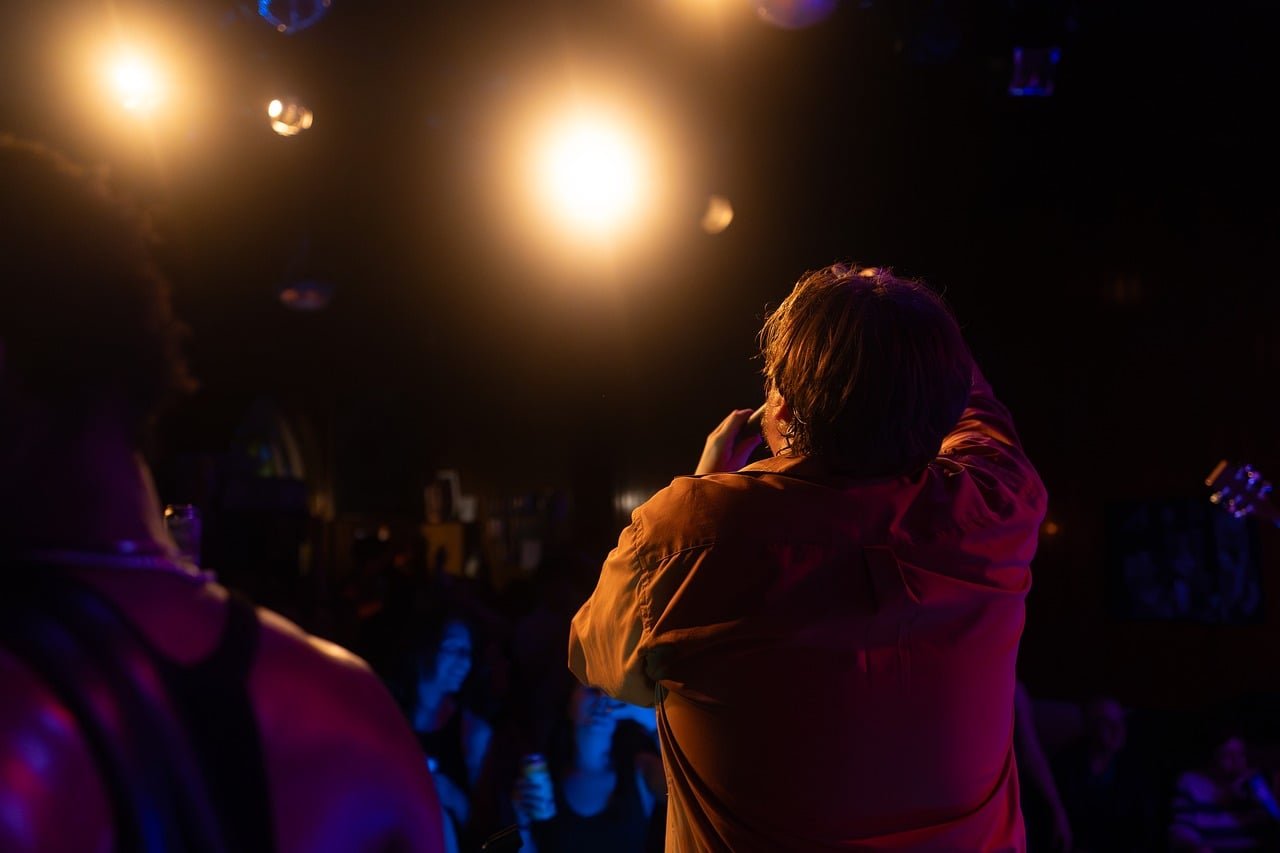
When discussing the heartbeat of entertainment, culture, and commerce in Anambra State, conversations often zoom straight into major metropolitan hubs. Yet, away from the bustling coastal capitals, deep in the heart of the industrial and entrepreneurial east, a profound cultural transformation is quietly unfolding. Nnewi, a city traditionally celebrated for its indomitable trading spirit, manufacturing prowess, and automotive parts markets, is carving out a dynamic new reputation. The entertainment landscape here is undergoing a massive shift, driven by a fusion of deep-rooted traditional heritage and modern digital evolution. From the echoing sounds of contemporary Igbo highlife to the rise of grassroots creative syndicates, Nnewi is proving that economic powerhouses can double as cultural incubators.
To understand how entertainment is changing in Nnewi, one must first look at how the region interacts with its neighbors. The creative pulse of this town does not beat in isolation; it resonates outward through a vibrant network of regional towns and cultural corridors. Whether it is artists commuting from nearby Awka to record tracks, filmmakers scouting locations close to Onitsha, or fans traveling from Ekwulobia to catch live performances, the entire axis is experiencing an interconnected renaissance. This geographic synergy allows talent, equipment, and audiences to flow seamlessly across borders, transforming the local entertainment economy into a collaborative ecosystem.
The Evolution of Sound: Highlife Reborn and Modern Beats in Nnewi
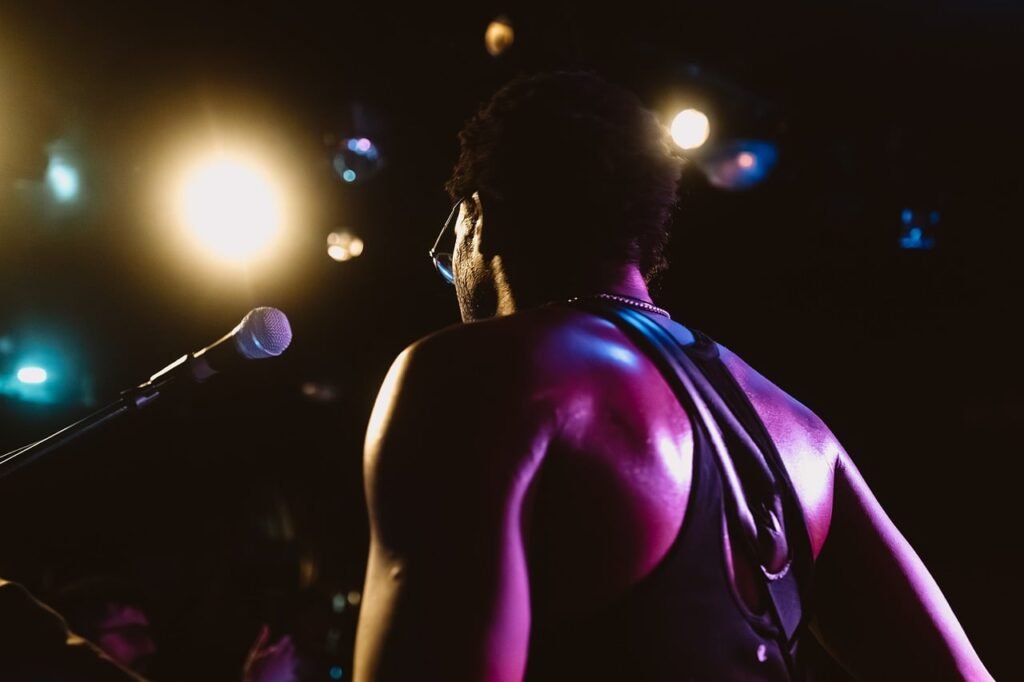
Music has always been the lifeblood of eastern communities, but the way music is produced, consumed, and celebrated in Nnewi has shifted dramatically over the past few years. For generations, traditional sounds defined community gatherings, weddings, and weekend celebrations. Today, however, artists are bridging the gap between ancient folklore and modern digital production. A prime example of this ongoing cultural evolution is the emergence of innovative musicians like Nwoke Nnewi, a pioneering dibia-musician who has captured imaginations by blending spiritual ancestral traditions with contemporary Igbo highlife rhythms. This unique artistic direction proves that modern audiences crave authenticity mixed with fresh production values.
This musical shift extends far beyond individual performers. Producers, instrumentalists, and vocalists across the industrial city are utilizing affordable digital audio workstations to record tracks that rival those coming out of primary commercial studios in Lagos or Enugu. The ripple effects of this sonic boom are felt deeply by fans and creators alike who travel between local performance spots. For instance, music lovers frequently make the trip from places like Ozubulu and Ihiala to experience live band showcases right within Nnewi’s growing network of lounges and event centers. Furthermore, aspiring talents from communities such as Umunze and Aguata find it increasingly accessible to distribute their tracks globally, thanks to the democratization of digital streaming platforms and independent distribution networks.
As the audio quality improves, so does the infrastructure supporting it. Local entrepreneurs are investing in boutique recording studios, sound engineering training camps, and video production units. This means that young creatives no longer feel compelled to abandon their hometowns immediately in search of mainstream validation. They are building sustainable careers locally, proving that world-class entertainment production can thrive anywhere there is passion and a reliable internet connection.
Visual Storytelling, Film, and Digital Distribution Networks
While music sets the rhythm, visual storytelling is painting a vivid new picture of life in Anambra State. Nollywood has always had deep roots in the eastern part of the country, but the nature of filmmaking and distribution has evolved past traditional physical media markets. In the past, distribution relied heavily on physical DVD distributors scattered across bustling commercial hubs like Onitsha and Nkpor. Today, digital disruption has rewritten the rules of engagement for filmmakers and content creators operating out of Nnewi and its surrounding districts.
Content creators and independent directors are leveraging social media, global video-on-demand platforms, and specialized digital distribution channels to bypass traditional gatekeepers. This shift means that a compelling short film or web series conceptualized and shot in Nnewi can find an appreciative audience in Victoria Island, London, or Atlanta within hours of release. The reduction in barriers to entry has empowered a new generation of directors, cinematographers, and scriptwriters who use local backdrops—from the sprawling industrial layouts to serene countryside residential areas—to tell authentic stories that resonate universally.
The regional connectivity playing out across nearby towns heavily supports this film and visual arts boom. Actors and crew members frequently collaborate across municipal boundaries, pulling talent from educational and cultural centers in Awka, commercial heavyweights like Onitsha, and residential hubs like Obosi and Idemili. This cross-pollination of creative labor ensures that every production benefits from a diverse pool of actors, makeup artists, lighting technicians, and set designers. Rather than relying on a single centralized studio lot, the entire landscape serves as a sprawling, flexible soundstage.
Live Events, Hospitality, and the Nightlife Economy
Entertainment is not just about what is recorded on a screen or streamed through headphones; it is deeply tied to physical spaces where people gather to unwind, celebrate, and network. Nnewi’s legendary hospitality industry has expanded to accommodate a rapidly evolving nightlife and events scene. Where quiet evenings were once the norm outside of major festive periods like the December holiday season, the city now boasts a vibrant year-round calendar of events, comedy shows, celebrity appearances, and high-energy club nights.
This transformation of the hospitality sector mirrors broader national trends where leisure and entertainment intertwine with modern consumer habits. From upscale lounges hosting weekend karaoke and DJ battles to dedicated sports viewing centers packed with passionate fans during European football matches, the options for relaxation have multiplied. Patrons regularly drive in from surrounding locations such as Ekwulobia, Ozubulu, and Umunze to sample Nnewi’s weekend offerings, boosting local hotels, eateries, and transport services in the process.
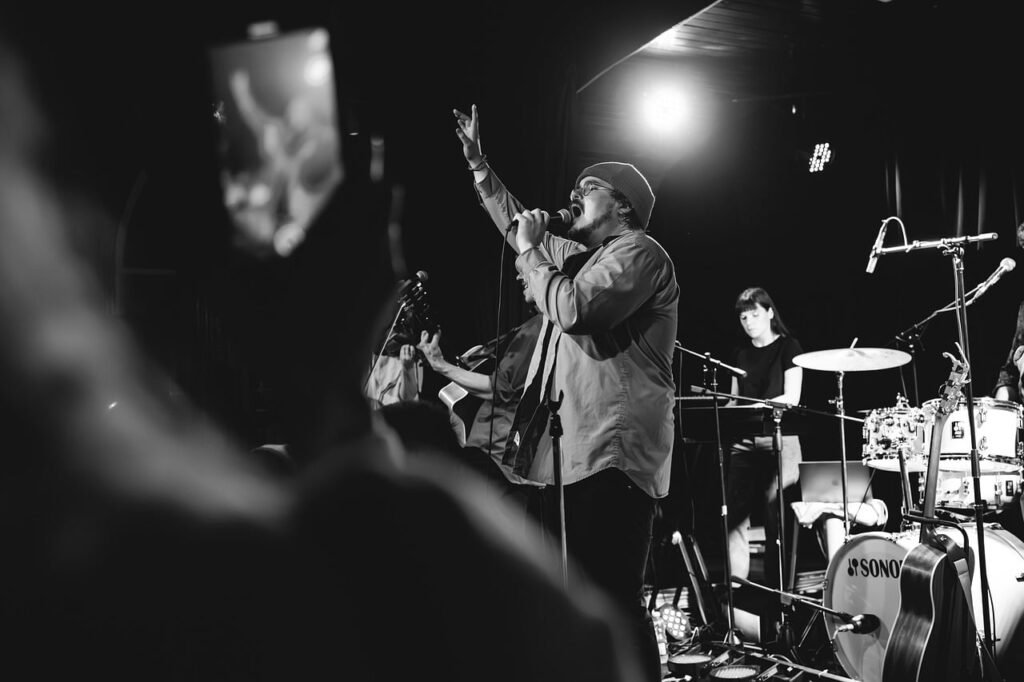
Moreover, public figures, Nollywood actors, and music stars frequently visit the area to headline club openings, product launches, and community festivals. This steady influx of celebrity culture injects excitement into the local economy and inspires aspiring young entertainers. When celebrities connect directly with fans in industrial and commercial heartlands, it demystifies the entertainment industry, making creative careers feel attainable to the youth growing up in towns like Ihiala, Aguata, and Nkpor.
Challenges and the Path Forward for Local Creatives
Despite the undeniable progress and vibrant energy pulsing through the region, the entertainment transformation in Nnewi is not without its hurdles. Creators and entrepreneurs operating outside traditional metropolitan centers often face distinct structural challenges. Chief among these concerns is the ongoing struggle against digital piracy and intellectual property theft, which threatens to undermine the financial viability of local music and film investments. Across the broader African entertainment sphere, unauthorized content sharing and weak enforcement frameworks continue to rob creators of hard-earned revenues, a reality that local unions and digital distributors are desperately trying to combat.
Infrastructure is another critical piece of the puzzle. While digital tools have democratized production, reliable power supply and high-speed internet access remain persistent overhead costs for independent studios and content creators. Furthermore, corporate sponsorship and institutional funding tend to concentrate heavily in primary corporate capitals, leaving regional talents to bootstrap their projects or rely on personal savings and crowdfunding.
Yet, the resilience that defines Nnewi’s business community naturally spills over into its creative sector. Just as local industrialists built automotive and manufacturing empires from humble beginnings, today’s artists, producers, and event planners are building resilient networks from the ground up. By forging direct-to-fan relationships, embracing digital distribution platforms, and collaborating closely with peers in neighboring towns like Awka, Onitsha, and Obosi, Nnewi’s creative community is turning obstacles into stepping stones.
Ultimately, the changing face of entertainment in Nnewi is a testament to the power of cultural adaptation. By honoring ancestral highlife roots while fiercely embracing modern digital tools, this industrial city is proving that creativity knows no geographic boundaries. As more eyes and ears turn toward the east, Nnewi stands firmly at the forefront of a fresh, dynamic era in Nigerian entertainment.
Related guide: How Nigeria Entertainment is Changing in Lekki.
Related guide: Rhythms of Industry: How Local Culture Shapes Entertainment in Nnewi.






No one commented yet. Be the first.